



How to Convert Audio Track to Video File
Are you wondering how to convert an audio track to a video file for sharing on platforms like YouTube? The process may seem technical, but with the right tools, you can easily create a video from your audio files to reach a wider audience.


In short, converting an audio track to a video file involves combining your audio with images or blank screens using a video editing tool. This creates a video format compatible with most social media and video platforms.
This conversion is useful because many platforms prioritize video files over audio-only formats. Whether you want to share a song, podcast, or spoken word recording, turning your audio into a video makes it accessible and shareable. And with accessible online tools, you can do this quickly on any device, including phones and computers, without prior editing experience. This article will describe how you can convert an audio track to a video file right in your browser.
Is it possible to convert an audio track to a video file?
Yes, it is. Converting an audio track to a video file means combining sound files — like MP3, WAV, or AAC — with visual elements to create a video format such as MP4 or AVI. This process can be performed in a video editing tool and can involve adding static images, slideshows, or dynamic visualizers to accompany the audio. It allows audio content to be uploaded and viewed on platforms that do not support audio-only files.
Such a conversion enables sharing music, podcasts, or spoken content alongside images, captions, or simple backgrounds. It also helps in creating engaging videos for social media, YouTube, or presentations.
Professional software like Adobe Premiere Pro, Final Cut Pro, and DaVinci Resolve is suitable for complex video editing projects. However, there are simpler online video editing solutions that work right in your desktop or mobile browser and require no prior video editing experience.
How to convert an audio track to a video file using Clideo
If you want to share your music, podcast, or audio recording, converting your audio track to a video file is a practical solution, and we have a perfect tool for that.
Clideo Video Editoris an all-in-one online video editing tool that allows you to create and edit videos directly in your web browser. It supports a variety of media files, including audio, video, and images, and offers most editing features like trimming, cropping, adding text, and adjusting volume.
Clideo’s free plan lets you upload files up to 500 MB and adds a small watermark to your videos. If you want to remove the watermark, upload bigger files, or save videos in HD or 4K, you can upgrade to the Pro plan.
Here’s how to combine audio with video with Clideo’s Online Video Editor:
-
Add audio
Open Clideo's Video Editor and click "Get started".
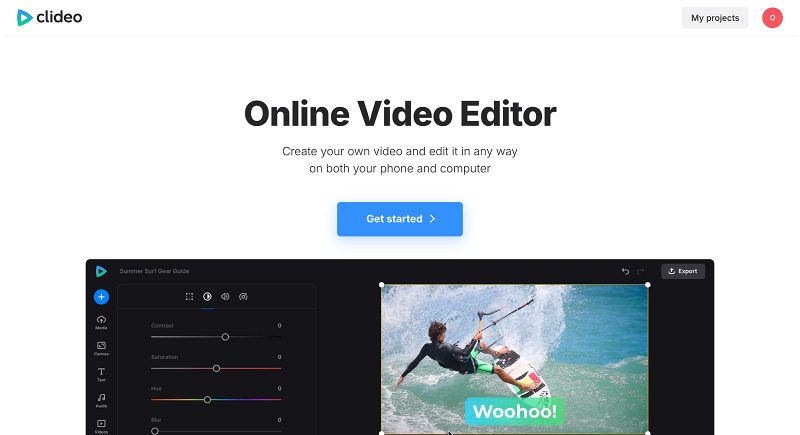
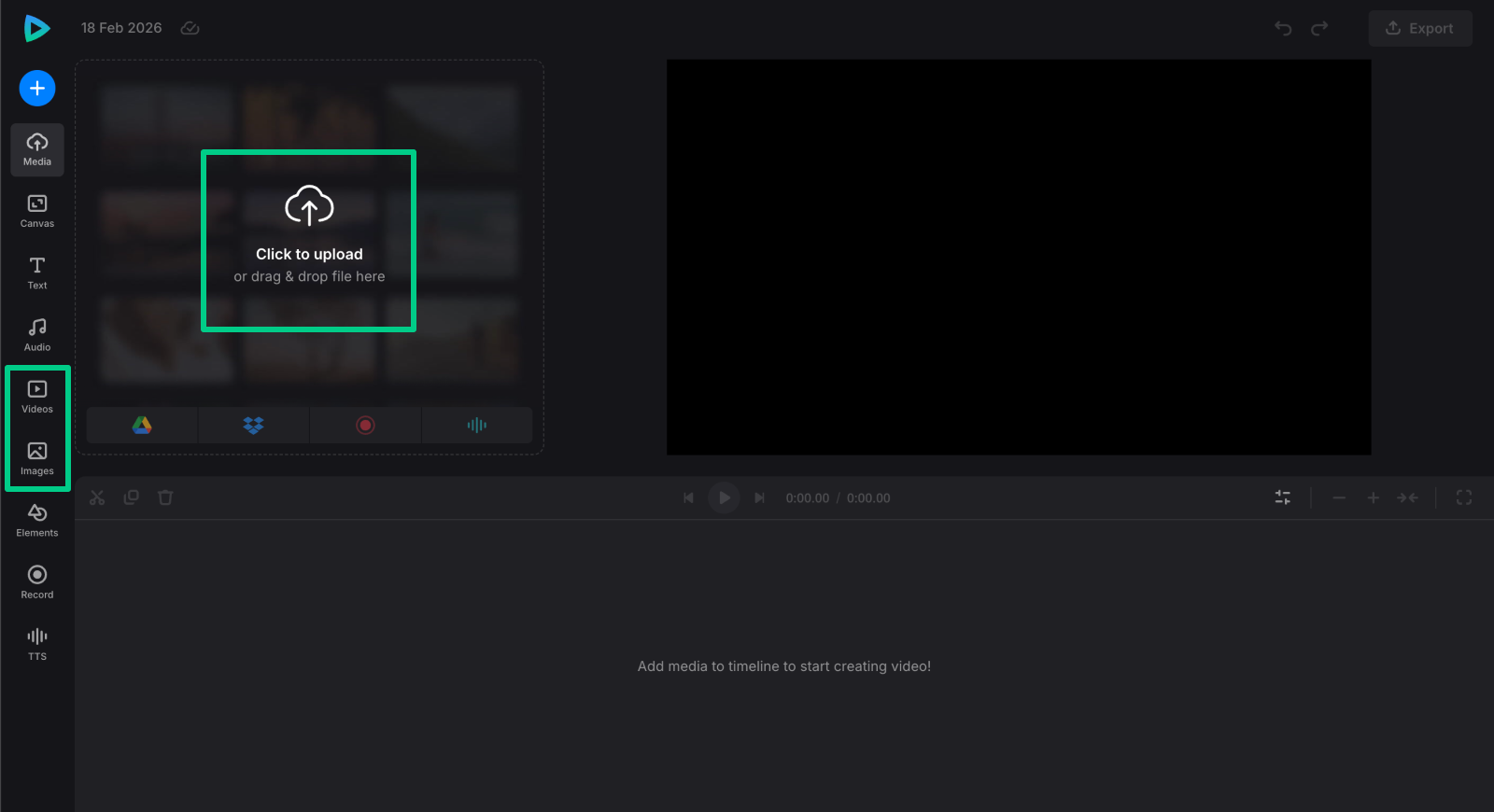
Upload the audio from your device, Google Drive, or Dropbox. You can leave the visuals blank, but if you want to have images or video clips playing alongside your audio, you can add them from the built-in content library or upload your own media files. The tool supports most common audio, image, and video formats.
-
Edit your video project
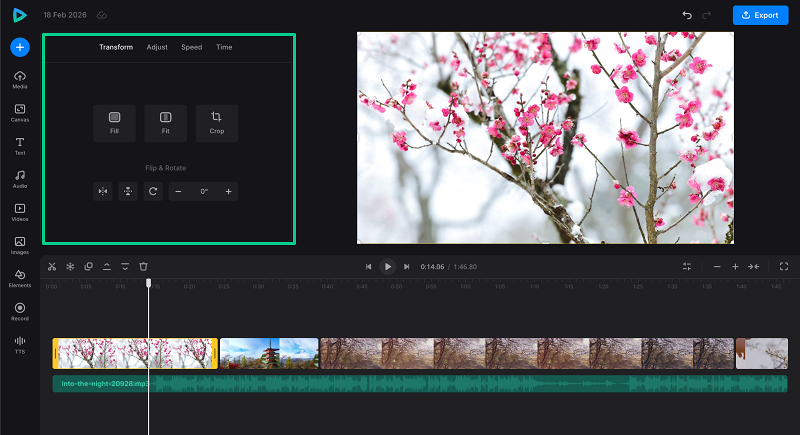
In the "Canvas" tab, choose the aspect ratio that fits your platform (16:9 is standard for YouTube, 9:16 for Shorts). Edit each file individually: crop, trim, or adjust speed and volume for both video and audio files.
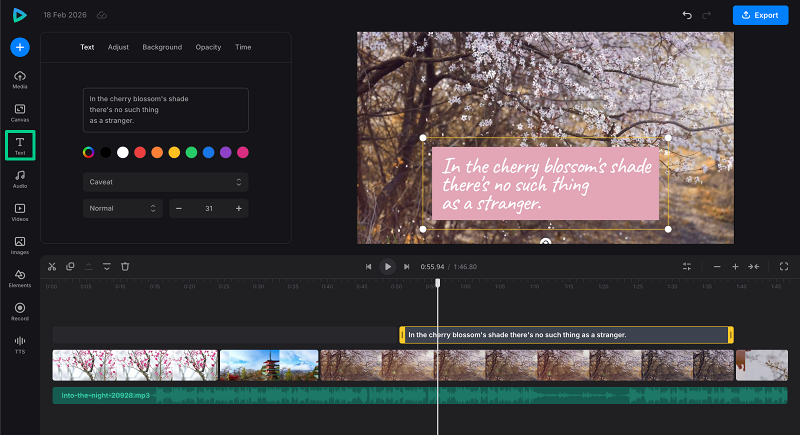
If your audio contains lyrics or you need to add some text, you can add captions by selecting any of the presets in the "Text" tab. Then customize font, color, and size to suit your style.
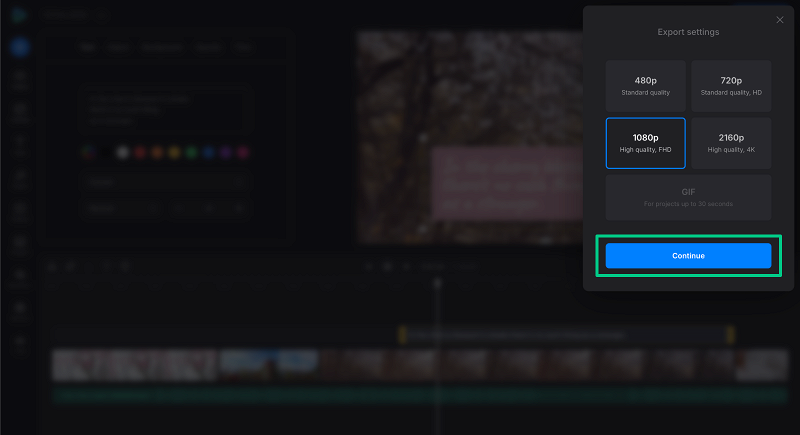
When you finish editing, click "Export" and select your preferred output setting.
-
Save the video
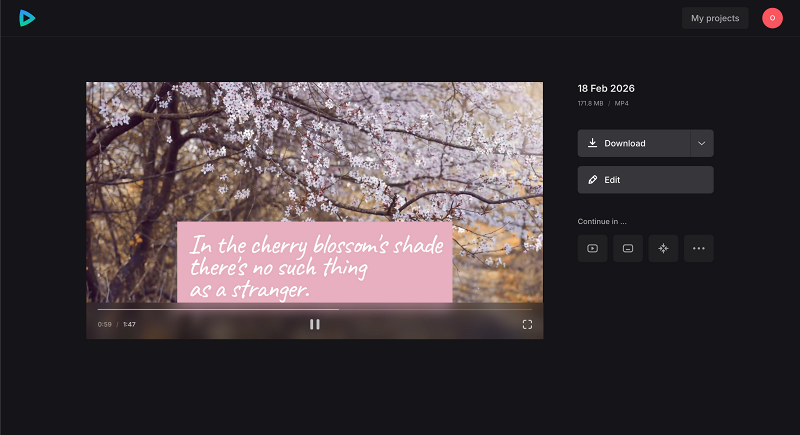
Preview the final video. If you want to make changes, click "Edit" again. When satisfied, click "Download" to save the video to your device or cloud storage.
Do you need a simpler solution to create videos faster? We have that too. Read how to convert MP3 to video without any video editing experience. Just upload an image to our video converter, then import audio, and finally select the video format you need.
For more details on all our tools, visit Clideo’s Help Center.
Tips for converting audio files
Converting audio to video is straightforward, but a few tips can improve your final result:
- Choose the right aspect ratio for your target platform (e.g., 16:9 for YouTube, 9:16 for TikTok).
- Use high-quality audio files (WAV or high-bitrate MP3) to maintain audio quality, or even extract audio from existing videos to reuse them in your projects.
- Add a static image or slideshow that relates to your audio content to keep viewers engaged.
- Consider adding captions or lyrics to make your video more accessible.
- Adjust audio levels so background music doesn’t overpower the voice or main sound.
- Preview your video before saving to catch sync issues or volume imbalances.
- Keep the video length consistent with the audio length to avoid awkward pauses.
- Use the built-in content library in the editor to find free images or sounds if needed.
- If using multiple audio clips, arrange them on the timeline carefully to avoid overlaps.
And remember, even if your video looks simple, it’s your sound that truly steals the show. Don’t stress too much about fancy visuals unless you want to!
You can use Clideo Video Editor to import your audio and add any static image as the visual. Once combined, export the project as an MP4 video file.
Yes, Clideo Video Editor lets you add multiple tracks with background music, voiceovers, or sound effects.
Common audio formats include MP3, WAV, AAC, FLAC, and others. Check this article for the list of supported formats.
Yes, Clideo Video Editor lets you adjust audio track volume independently as well as other settings for each of the project assets.
Yes, Clideo Video Editor has a mobile-friendly interface and an iOS app that lets you convert audio to video on smartphones as well.


